
Introduction
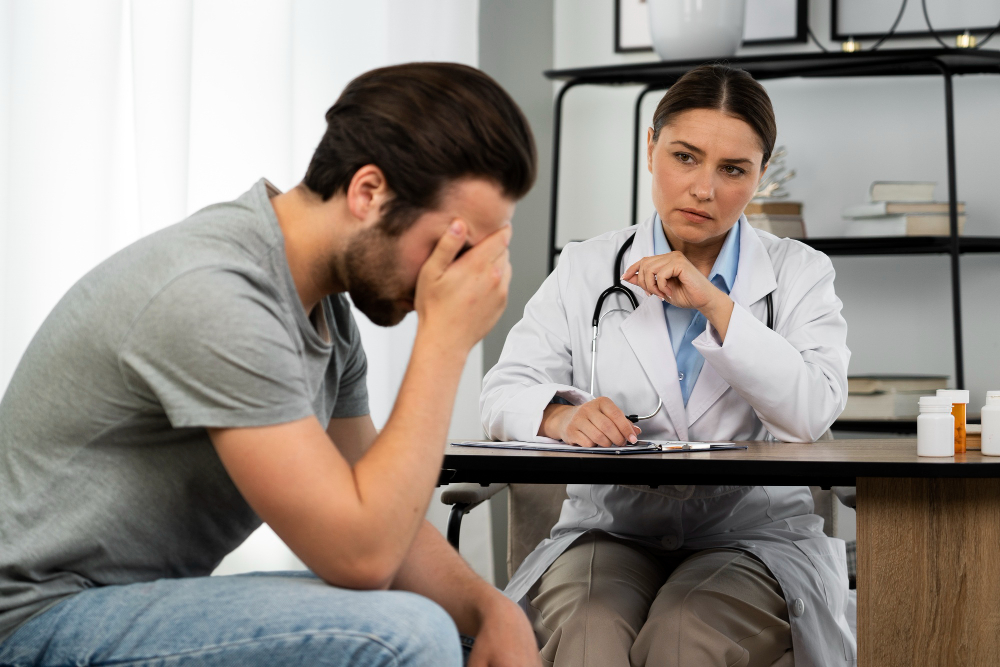
PTSD, or Post-Traumatic Stress Disorder, is a mental health condition. It can develop after someone experiences or witnesses a traumatic event. For example, accidents, natural disasters, or violence can trigger PTSD. Although many people recover after trauma, some continue to feel stress long after the event. Because PTSD can affect daily life, understanding it is important for everyone.
Symptoms of PTSD
PTSD symptoms can appear soon after trauma or even months later. However, not everyone will have the same symptoms. Common signs include:
Sometimes, these symptoms can make daily tasks hard. For this reason, it is important to recognize them early.
Causes and Risk Factors
PTSD can happen to anyone, but some factors increase the risk. For instance, people who have faced severe trauma are more likely to develop PTSD. Other risk factors include:
Still, not everyone exposed to trauma will get PTSD. Sometimes, strong support and healthy coping skills can lower the risk.
Diagnosis Process
Doctors use a careful process to diagnose PTSD. First, they ask about your symptoms and history. Next, they may use special questionnaires or interviews. To be diagnosed, symptoms must last more than one month and cause problems in daily life. Sometimes, doctors may check for other conditions, since anxiety or depression can look similar. According to the CDC and WHO, only trained professionals should diagnose PTSD.
Treatment Options
PTSD treatment can help most people feel better. There are several proven options:
Often, a mix of these treatments works best. Early treatment can lead to better results.
Lifestyle Tips and Coping Strategies
In addition to medical care, healthy habits can support recovery. For example, you can try:
Although recovery takes time, small steps can make a big difference. Remember, asking for help is a sign of strength.
Prevention and Early Intervention
While not all cases can be prevented, early support after trauma can help. For instance, talking to someone you trust soon after a stressful event may lower the risk of PTSD. Schools, workplaces, and communities can also offer support programs. If you notice symptoms early, seeking help right away can prevent them from getting worse.
When to Seek Professional Help
Sometimes, PTSD symptoms do not go away on their own. If you notice any of the following, it is time to talk to a mental health specialist:
Because early help can lead to better recovery, do not wait to reach out.
Conclusion
PTSD is a serious but treatable condition. With the right support and treatment, most people can recover and lead healthy lives. If you or someone you know is struggling, consult a mental health specialist at Dr. Nitin Anandi Lal for personalized guidance.