
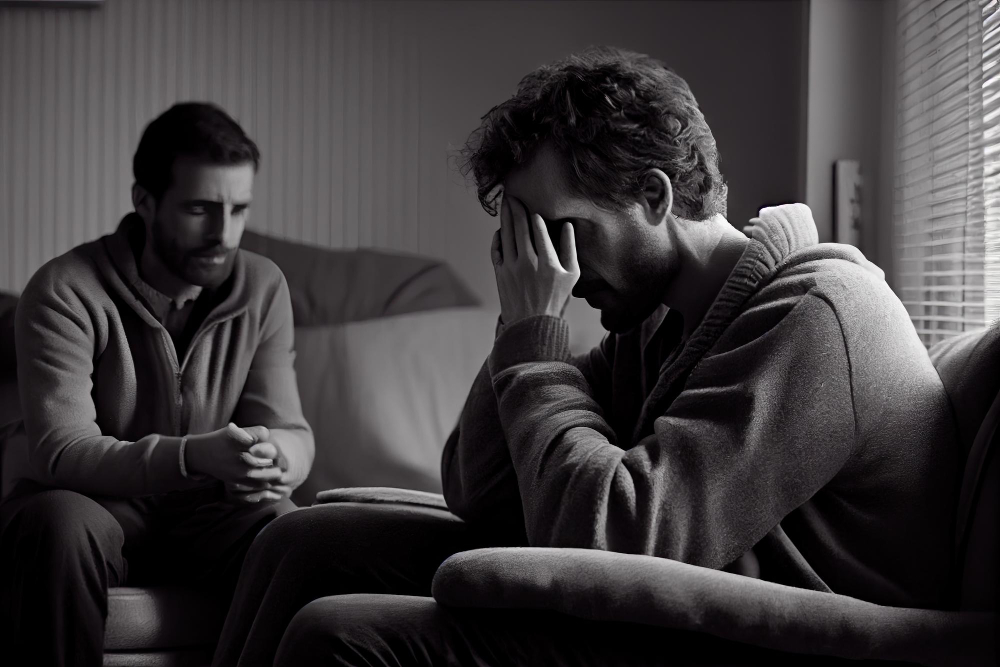
What Is Sadness?
Sadness is a normal emotion that everyone feels at times. For example, you may feel sad after losing a pet or having a tough day at work. Usually, sadness has a clear cause and fades with time. Most people feel better after talking with friends or doing activities they enjoy. In many cases, sadness lasts only a few hours or days. However, it can feel heavy in the moment. While sadness can make you cry or feel tired, it does not stop you from living your daily life. According to the World Health Organization (WHO), sadness is a healthy part of human emotion and helps us process difficult events.
What Is Depression?
On the other hand, depression is a medical condition. It is more than just feeling sad. Depression affects your mood, thoughts, and body. For many people, depression lasts for weeks or months. It can make daily tasks feel impossible. According to the Centers for Disease Control and Prevention (CDC), depression is marked by a loss of interest in things you once enjoyed. You may feel hopeless, tired, or empty most of the day. Sometimes, depression causes changes in sleep, appetite, or energy. Unlike sadness, depression often needs treatment from a healthcare provider. Without help, depression can get worse and affect your health, work, and relationships.
Key Differences Between Depression and Sadness
Because of these differences, it is important to know when sadness may be a sign of something more serious. The difference between depression and sadness can help you decide when to seek help for depression.
Signs You May Be Experiencing Depression
Sometimes, sadness can turn into depression. But how can you tell? Watch for these warning signs:
If you notice several of these signs lasting more than two weeks, it may be time to seek mental health support. According to the National Institute of Mental Health, these are red flags that sadness may be more than just a passing feeling.
When to Seek Help
It is normal to feel sad sometimes. However, if your sadness does not go away or gets worse, you may need help. For instance, if you cannot do your daily tasks or feel hopeless, consider talking to a healthcare provider. If you have thoughts of harming yourself, seek help right away. You can reach out to a doctor, counselor, or mental health support line. In many cities, mental health services are available in person and online. Early support can make a big difference. Remember, asking for help is a sign of strength, not weakness.
Prevention and Self-Care Tips
While you cannot always prevent depression, you can take steps to care for your mental health. For example, try these evidence-based strategies:
Many trusted groups, like the WHO and CDC, offer free resources and tips for mental health. In addition, many local clinics and online platforms provide support for people in need. Taking care of your mind is just as important as caring for your body.
Conclusion
If you are feeling overwhelmed or unsure about your mood, support is available. Book a confidential consultation with Dr. Nitin Anandi Lal to discuss your concerns and get the help you deserve.