
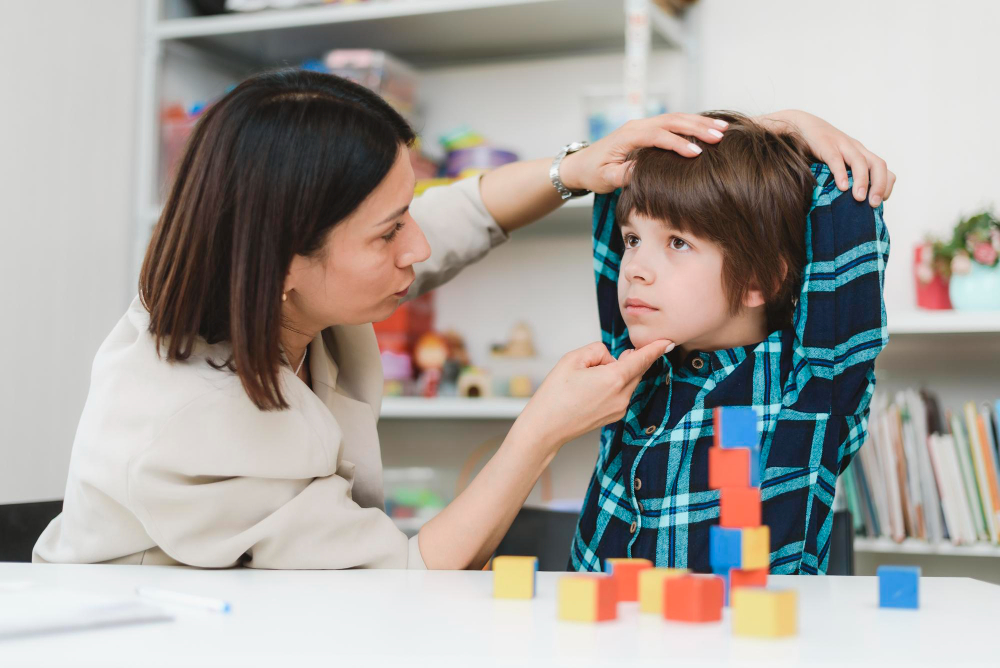
What is ADHD in Children?
ADHD in children is a common brain condition. It stands for Attention-Deficit/Hyperactivity Disorder. Children with ADHD often have trouble paying attention. They may also act without thinking or feel restless. According to the CDC, ADHD affects about 5% of children worldwide. Early signs can show up before age 12. Sometimes, these signs are noticed in preschool.
Because ADHD in children can look different for each child, it is important to watch for changes in focus, activity, or behaviour. Many families seek help when school or home life becomes hard. With the right support, children with ADHD can do well at home and school.
Common Attention Difficulties in Children with ADHD
Children with ADHD often have trouble focusing on tasks. For example, they may get distracted easily. They might not finish homework or chores. Sometimes, they lose things like books or toys. These attention difficulties can affect learning and friendships.
Because these symptoms can be mild or strong, managing ADHD in children often needs patience and support. Teachers and parents may notice these signs first.
Behavioural Challenges Associated with ADHD
Besides attention problems, children with ADHD may show behavioural challenges. For instance, they may interrupt others or act without thinking. Sometimes, they have trouble waiting their turn. These behaviours can cause problems at home or school.
Because these behaviours can be hard to manage, families often look for behavioural management for ADHD. Support from teachers and caregivers is important.
Diagnosis of ADHD in Children
Diagnosing ADHD in children takes time and care. Usually, a doctor or mental health expert will ask about the child’s behaviour. They may use checklists or talk with teachers and parents. According to the CDC, there is no single test for ADHD. Instead, doctors look for a pattern of symptoms over time.
For a true diagnosis, symptoms must last at least six months. They must also cause problems in more than one place, such as home and school. Because other conditions can look like ADHD, doctors may check for learning or mood problems too.
Evidence-Based Treatment Options
Treating ADHD in children often involves more than one approach. The CDC and WHO recommend a mix of treatments. These may include:
Because every child is different, doctors work with families to find the best plan. Regular check-ins help track progress and adjust treatment as needed.
Effective Support Strategies for Parents and Caregivers
Supporting children with ADHD at home can make a big difference. For example, parents can use clear routines and simple rules. Praise for good behaviour helps build confidence. When challenges come up, staying calm and patient is key.
Because stress can affect the whole family, parents may also seek support groups or counselling. Managing ADHD in children is easier with teamwork and understanding.
Tips for Teachers Supporting Children with ADHD
Teachers play a big role in helping children with ADHD succeed. With the right support, students can focus better and feel more confident. For example, teachers can:
Because every child is unique, teachers may need to try different strategies. Working with parents and school staff can help create a strong support plan.
Prevention and Early Intervention
While ADHD cannot always be prevented, early support can help. For instance, spotting childhood ADHD symptoms early allows for quick action. Parents and teachers should watch for signs of attention or behaviour problems. When concerns arise, talking to a doctor is important.
Because early help can improve school and social life, many experts recommend starting support as soon as possible. Early intervention may include behaviour therapy, parent training, or school support. These steps can make managing ADHD in children easier and help them reach their full potential.